Science
Explore how Science is taught at PVPS, from hands-on garden trails to enrichment programmes that spark curiosity and build scientific inquiry skills in every student.
Department Goal
Empowering Future-Ready Thinkers
The Science Programme develops critical inquiry skills—like observing, classifying, analyzing, and communicating—to nurture scientifically literate students who use curiosity, environmental stewardship, and global responsibility to make informed, responsible daily decisions.
Framework
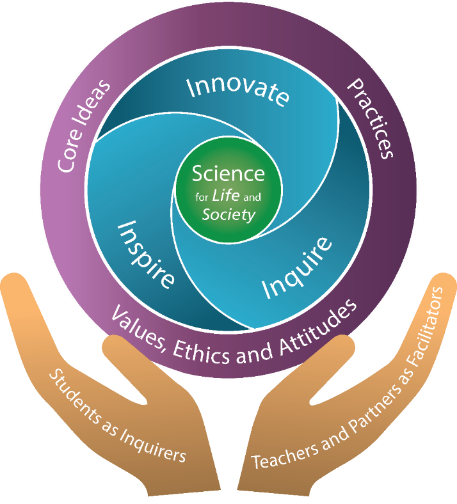
The revised Science Curriculum Framework (above) encapsulates the thrust of Science education in Singapore to provide students with a strong foundation in Science for life, learning, citizenry, and work.
Science for Life and Society in the centre circle captures the essence of the goals of Science education.
Key Programmes
In the Classroom
School-based strategies
READ – a strategy to increase students’ comprehension of science questions |
|
CER – a scaffold to craft scientific explanation |
|
WOTD – a scaffold to craft scientific explanation |
|
Outside the Classroom
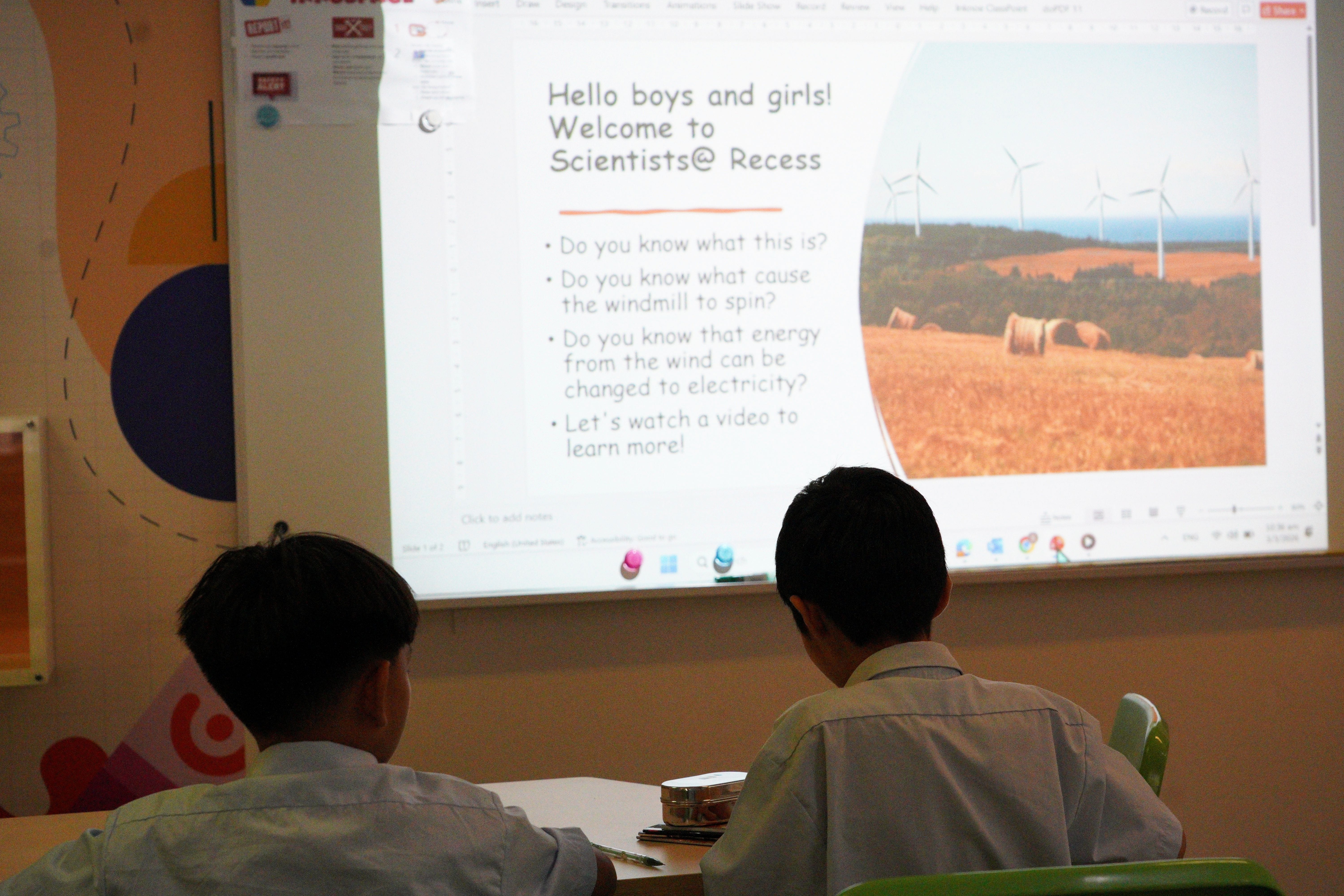
Ignite your curiosity at Scientists@Recess
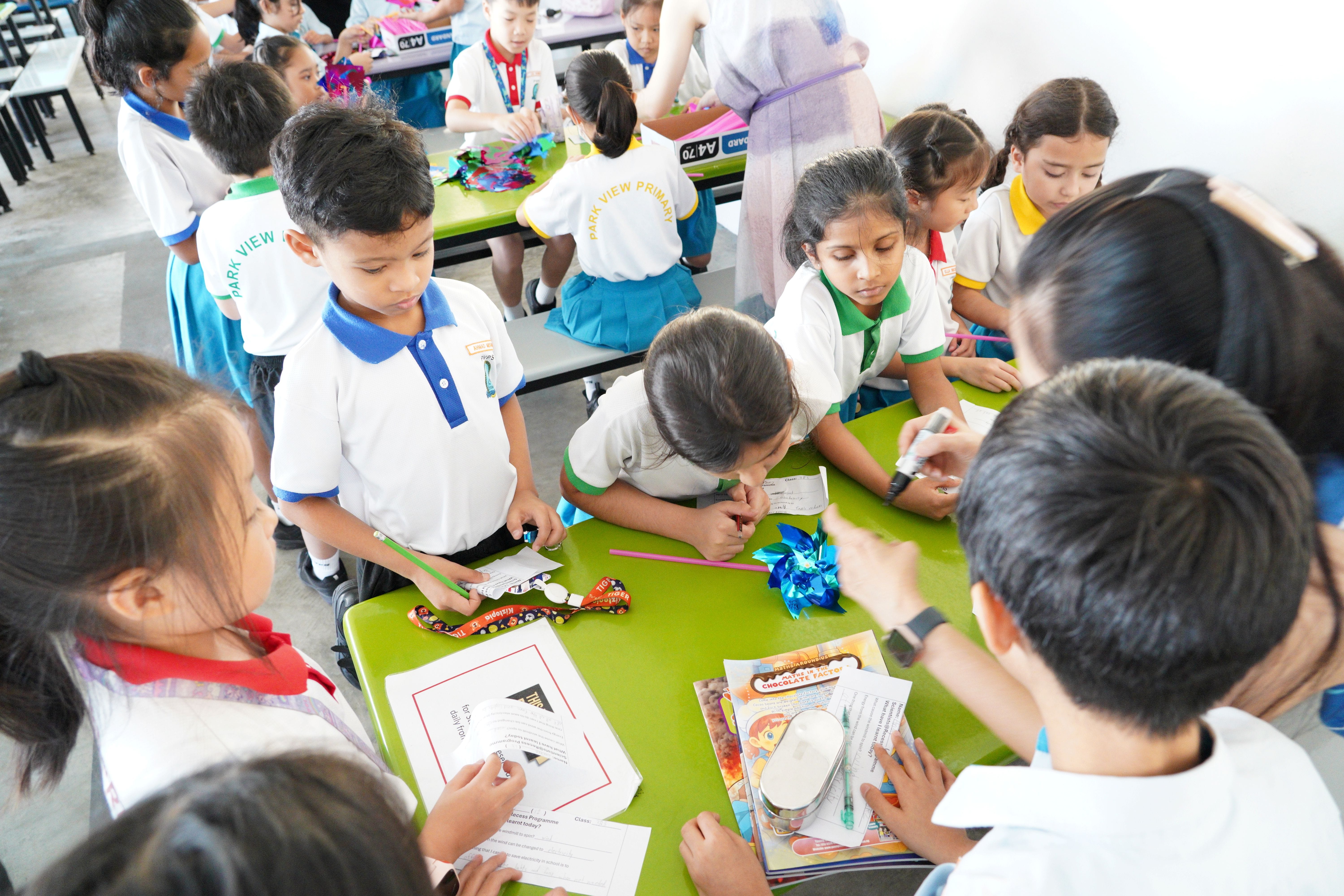
Scientists@Recess invites students to explore the wonders of the world through captivating visuals, interactive storyboards, and immersive DIY experiments.
InnoScience
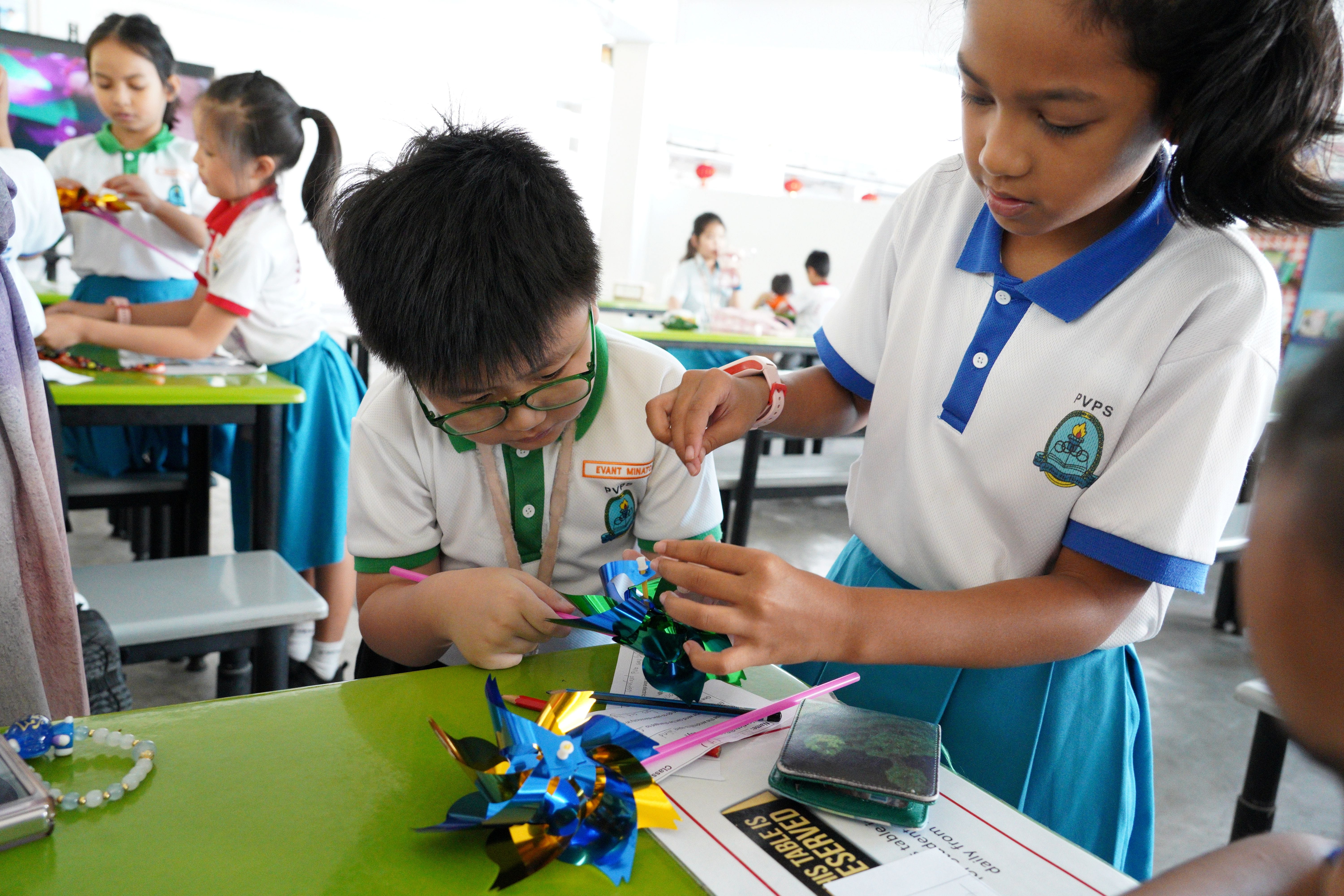
InnoScience provides a launchpad for self-directed students to create, innovate, and bring science concepts to life. It bridges textbook theory with active engineering to foster a growth mindset and the spirit of resilience.
Students transform abstract concepts into tangible solutions through the design-thinking principles. They engage in hands-on tinkering during recess and collaborate with friends to co-create and build functional models to test out classroom science theories.
Sustainability Matters@PVPS
Empowering green champions to shape a sustainable tomorrow through a dynamic ecosystem of school-wide initiatives such as:
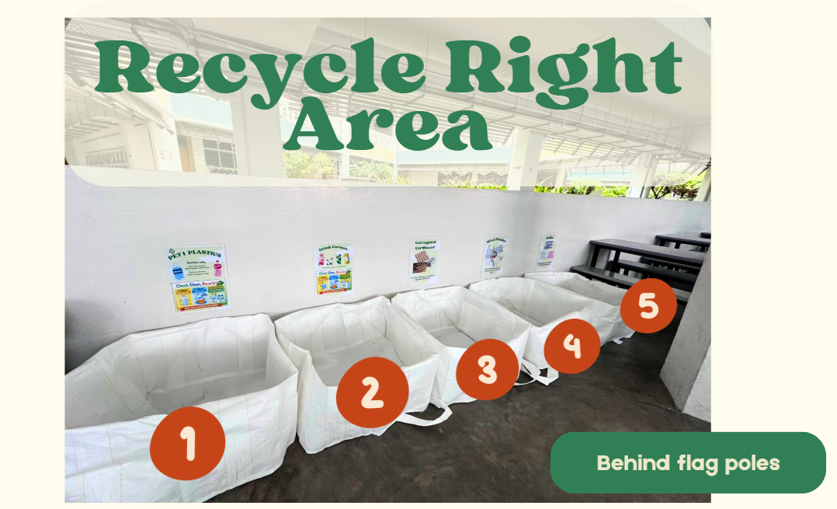
School-based Recycle Right Programme with Cora Environment
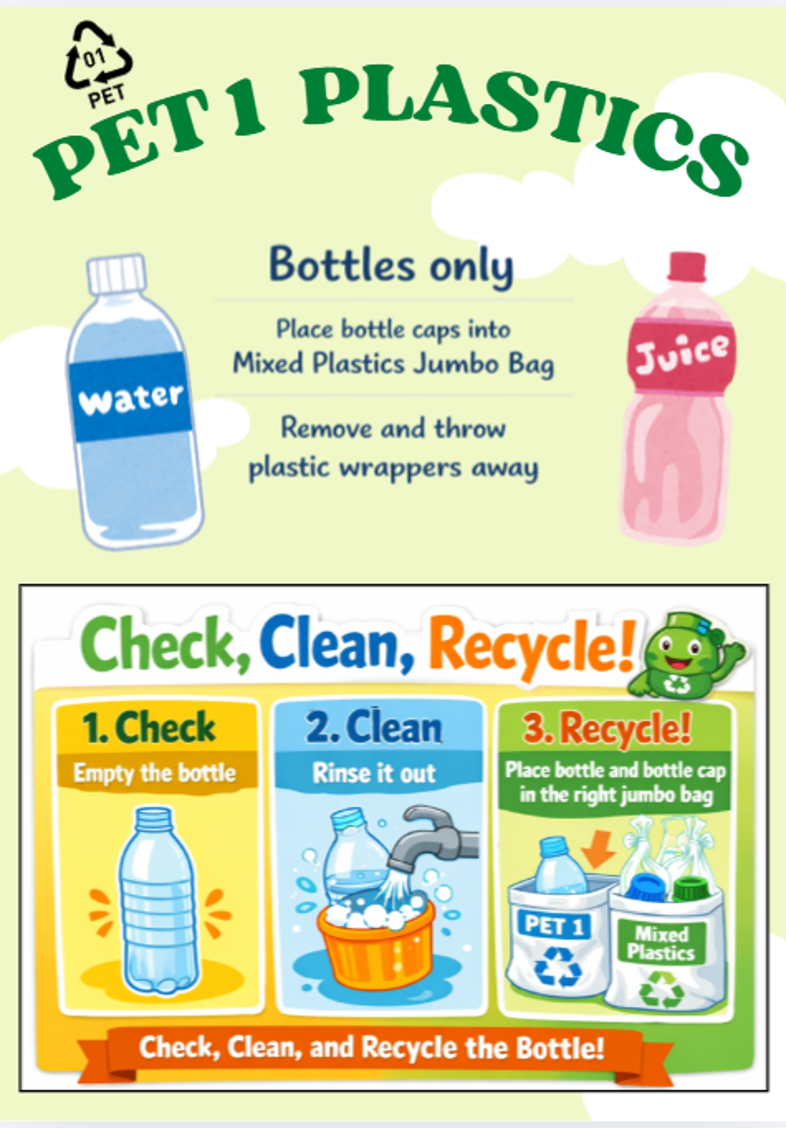
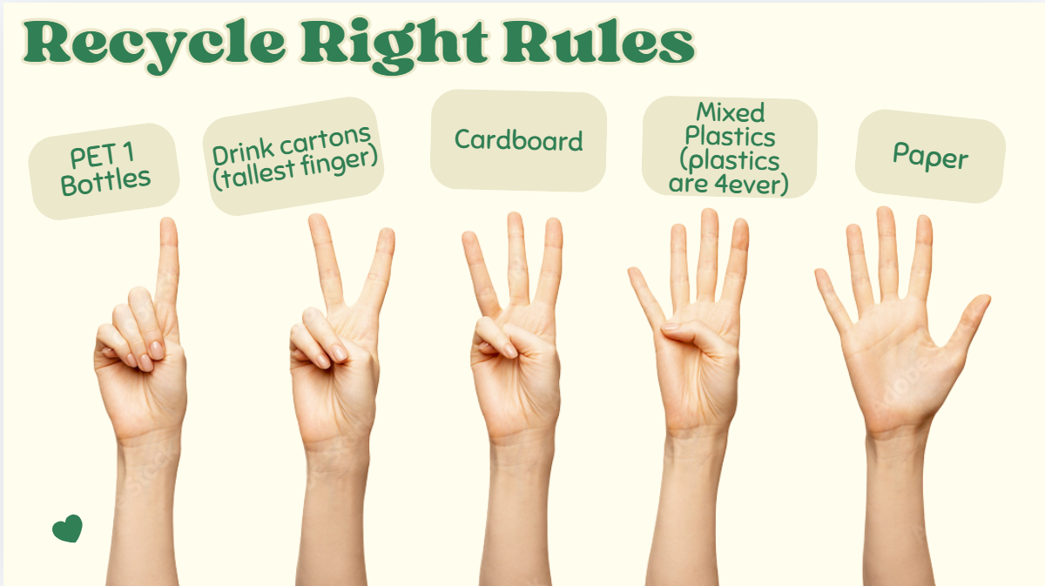
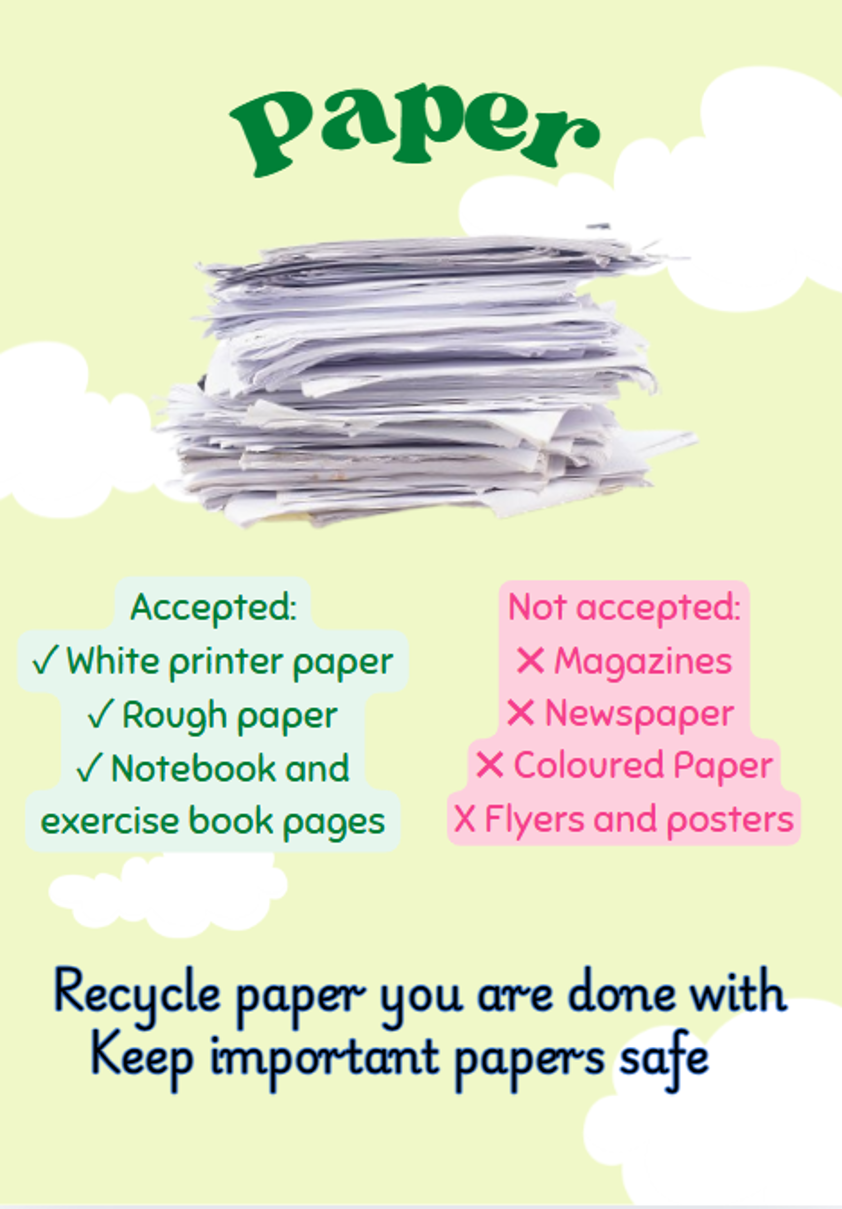
Students are strongly encouraged to recycle plastic bottles, drink cartons, cardboard, mixed plastics and paper.
For plastic bottles and drink cartons, they were taught to rinse the receptacles before leaving them in the jumbo recycling bags.
Sustainability workshops
Assembly programme
Recess activities
Learning journeys
Approaches
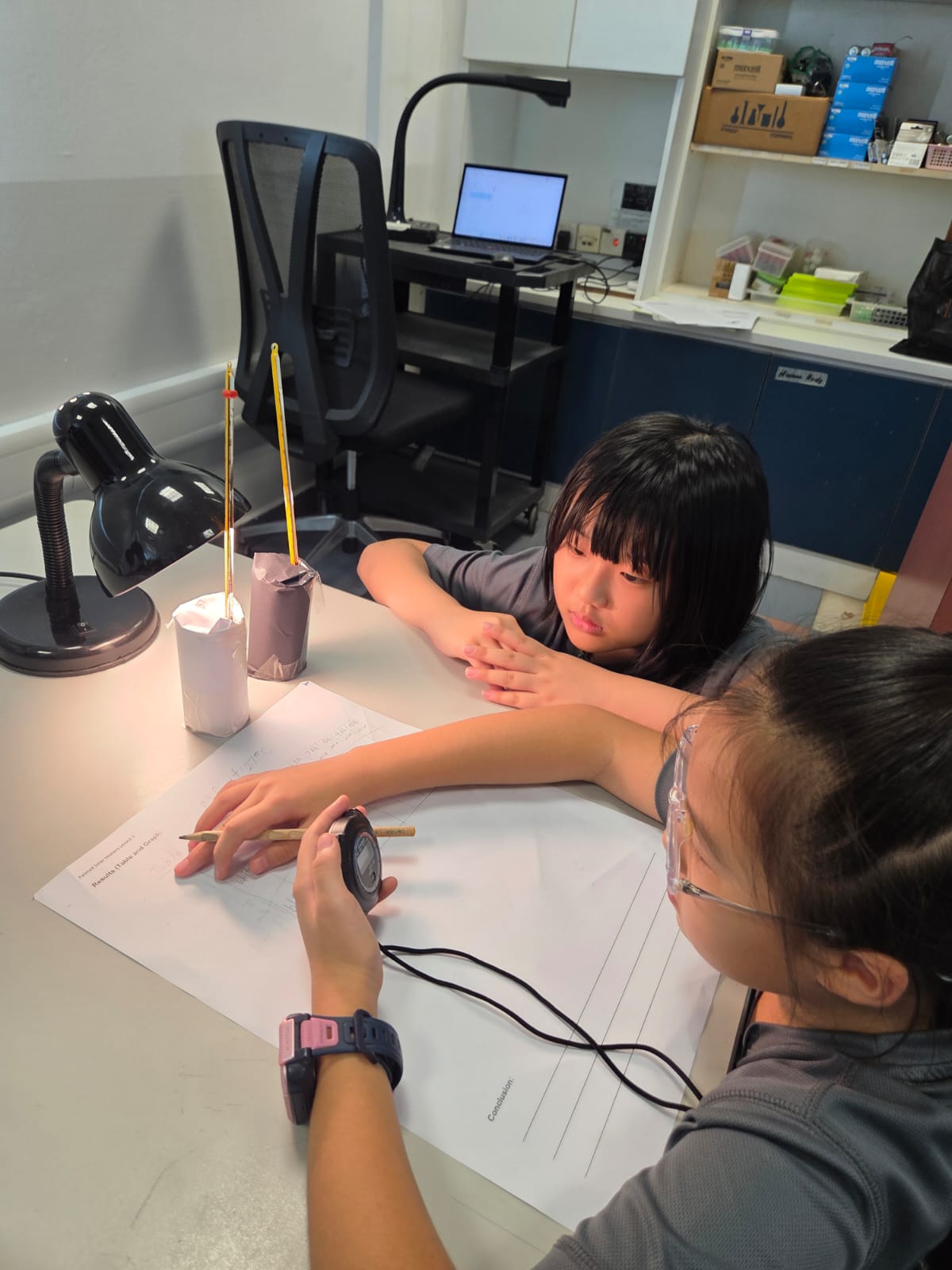
The science instructional programme @ PVPS can be broadly categorized under the 3-prong approach of ‘Support’, ‘Enrich’ and ‘Stretch’. Under each approach, learning activities are planned, implemented and reviewed to ensure its effectiveness and relevance for different profiles of students.
The science instructional programme @ PVPS
SUPPORT | ENRICH | STRETCH |
|
|
|
Resources
Primary Science Syllabus
The content of the Primary 3 – 6 Science syllabus is organised into five themes: Diversity, Cycles, Systems, Interactions and Energy. These themes encompass a core body of concepts in both the life and physical Sciences.
The topics under each theme are not to be viewed as compartmentalised blocks of knowledge. In general, there are no clear boundaries between these themes. There may be topics common to different themes and students should make a conscious effort to make connections between these themes and topics.
Primary Science Syllabus
Themes | Topics | |||
Primary 3 | Primary 4 | Primary 5 | Primary 6 | |
Diversity |
| |||
Cycles |
|
|
| |
Systems |
|
| ||
Interactions |
|
| ||
Energy |
|
| ||